A good GCSE revision timetable is often the difference between calm, steady progress and a stressful scramble in the final weeks before exams. Yet many students either skip planning altogether or build a timetable so rigid it collapses after the first missed session.
This guide shows you how to build a realistic GCSE revision timetable, choose the right techniques for different subjects, and adjust the plan as exams approach.
Why a Timetable Matters More Than Willpower
Relying on motivation alone to revise consistently rarely works over several months. A written timetable removes the daily decision of “what should I revise today”, which is often the biggest barrier to actually starting a session.
A good timetable also helps you spot subjects that are being neglected before it becomes a problem, rather than realising a week before the exam that a whole topic has been left out.
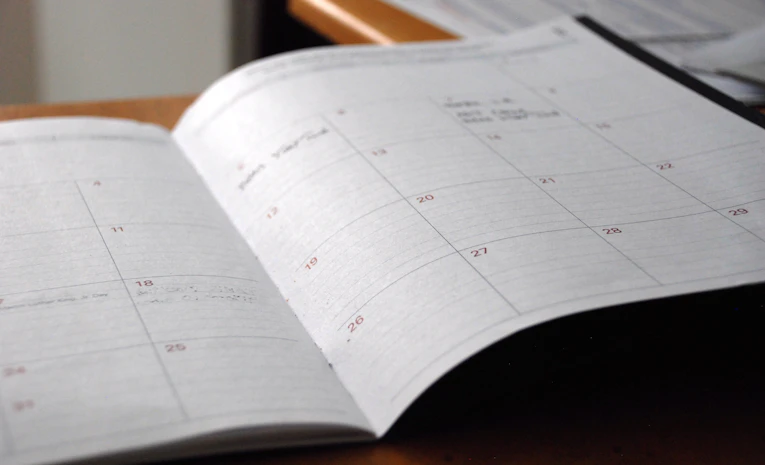
How to Build a GCSE Revision Timetable
- List every subject and exam date. Include exam boards where relevant, since specifications can differ between AQA, Edexcel and OCR even for the same subject.
- Identify your weaker topics first. Use recent test results, teacher feedback, or your own gut sense of which topics feel shaky.
- Block out fixed commitments. School, clubs, part-time work and family time should go into the timetable first, so revision fits realistically around them rather than competing with them.
- Assign subjects to specific days. Rotating three or four subjects across a week works better than one subject a day, since it keeps content fresher through spaced revision.
- Build in regular breaks. Short breaks between sessions, and at least one full rest day a week, help prevent burnout over a long revision period.
A Sample Weekly Structure
| Day | Focus | Session Length |
|---|---|---|
| Monday | Maths (weakest topic) | 45 minutes |
| Tuesday | English Literature | 45 minutes |
| Wednesday | Science (rotating subject) | 45 minutes |
| Thursday | Maths (practice questions) | 45 minutes |
| Friday | Free choice or catch-up | 30 minutes |
| Saturday | Full past paper under timed conditions | 1 to 2 hours |
| Sunday | Rest day | None |
As exams get closer, sessions naturally shift from learning new content towards practice questions, past papers and active recall of material already covered.
Revision Techniques by Subject Type
- Maths and Science: Focus heavily on practice questions and past papers, since these subjects reward applying methods repeatedly rather than simply reading notes.
- English and Humanities: Use active recall to test quote and fact retention, then practise writing full or partial answers under timed conditions to build exam technique.
- Languages: Combine spaced repetition flashcards for vocabulary with regular listening and speaking practice, since these skills fade quickly without ongoing use.
Across every subject, testing yourself through active recall and spacing sessions out over time consistently outperforms simply re-reading notes or highlighting textbooks.
Adjusting Your Timetable as Exams Approach
A revision timetable should not stay fixed for months without review. Revisit it every two to three weeks and adjust based on:
- Topics that mock exam results reveal as weaker than expected
- Subjects where you are consistently ahead of schedule, freeing up time elsewhere
- Your energy levels, shifting harder subjects to whichever time of day you concentrate best
Managing Revision Stress
A demanding revision period can affect wellbeing as much as grades. A few simple habits help protect both:
- Keep a consistent sleep schedule, especially in the final two weeks before exams
- Build in genuine rest days rather than only shorter breaks between sessions
- Talk to a teacher or parent if a particular subject is causing ongoing anxiety, rather than avoiding it
Frequently Asked Questions
How many hours a day should I revise for GCSEs?
Consistent, focused sessions of 45 minutes to an hour across several subjects tend to work better than long unbroken hours, particularly once combined with regular short breaks.
When should I start my GCSE revision timetable?
Starting several months before exams, even with light sessions at first, allows time for spaced repetition and past papers rather than relying on last-minute cramming.
Should I revise every subject equally?
No. Spend proportionally more time on weaker topics and subjects, while still including regular shorter sessions for stronger subjects to keep them fresh.
What should I do if I fall behind on my revision timetable?
Adjust the plan rather than abandoning it entirely, using catch-up sessions and reviewing which topics genuinely still need attention before the exam date.
A realistic, regularly reviewed revision timetable, built around active recall and past papers, will consistently outperform good intentions alone. For broader, evidence-based techniques that apply beyond GCSEs, see our guide on how to study for exams effectively. Once your GCSEs are behind you, our guide to choosing a university course is a good place to start planning your next step, and our A level revision guide shows how the approach shifts once you reach sixth form.