Good time management rarely comes naturally. It is a specific, learnable skill, and the students who seem to effortlessly balance coursework, revision and a life outside school are almost always applying deliberate techniques rather than relying on natural discipline alone.
This guide covers practical time management techniques for students, distinct from revision-specific strategies, that apply across coursework, deadlines and daily study life.
Why Time Management Matters Beyond Just Grades
Poor time management tends to show up as last-minute cramming, missed deadlines, and a persistent, low-level sense of being behind. Beyond academic results, it also affects sleep, stress levels, and the ability to actually enjoy activities outside schoolwork rather than feeling guilty during them.
Core Time Management Techniques
Time Blocking
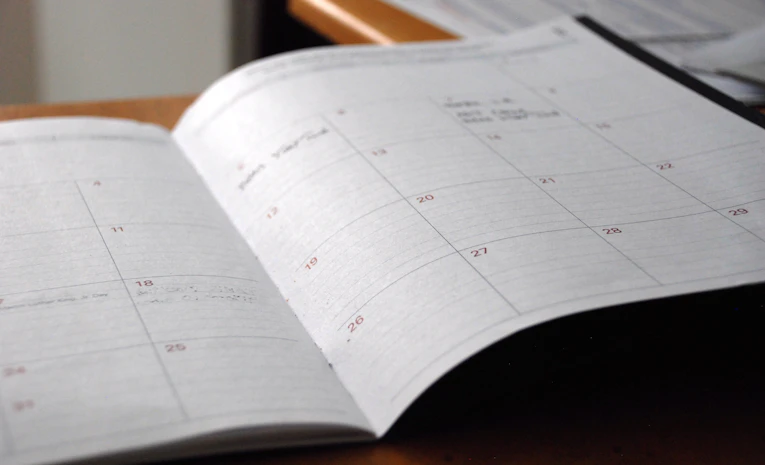
Rather than working from a loose to-do list, time blocking means assigning specific tasks to specific slots in your calendar or planner. Seeing “9am to 10am: Biology coursework” is far more likely to get done than an unscheduled item sitting on a list all day.
The Two-Minute Rule
If a task takes less than two minutes, such as replying to a quick email or filing a handout, do it immediately rather than adding it to a list. Small tasks left to accumulate create a disproportionate sense of overwhelm relative to the actual work involved.
Prioritising With Urgent vs Important
Not everything on your list deserves equal attention. Sorting tasks into what is genuinely urgent, what is important but not urgent, and what is neither helps prevent constantly reacting to deadlines instead of working proactively.
Breaking Large Tasks Into Smaller Steps
A task like “write history essay” is vague and easy to postpone. Breaking it into research, outline, draft, and edit stages, each with its own smaller deadline, makes starting far less daunting and progress easier to track.
Building a Weekly Planning Habit
| Step | What to Do |
|---|---|
| Sunday planning session | List every deadline, test and commitment for the coming week in one place |
| Block fixed commitments first | School, clubs, part-time work and family time go in before anything else |
| Assign specific study blocks | Give each remaining task a specific day and time slot, not just a general intention |
| Daily five-minute check-in | Review the day’s blocks each morning and adjust for anything that has changed |
A weekly planning habit, reviewed and adjusted daily, tends to hold up far better over time than an ambitious plan created once and never revisited.
Managing Common Time Management Traps
- Procrastination: Starting a task badly is almost always easier than starting it perfectly, so committing to just five minutes of a dreaded task often breaks the initial resistance.
- Multitasking: Switching between tasks, including checking messages while working, generally slows overall progress more than working on one thing at a time.
- Overcommitting: Saying yes to every activity or request eventually collapses a schedule, so it is worth reviewing commitments honestly against actual available time.
- Perfectionism: Spending disproportionate time perfecting one section of a task at the expense of finishing the whole thing often lowers overall quality rather than improving it.
Tools Worth Considering
- Physical or digital planner: Whichever format you will actually check daily is better than a more elaborate system you abandon after a week.
- Calendar with reminders: Automated notifications remove the need to constantly remember deadlines manually.
- Timer-based focus techniques: Working in fixed blocks, such as 25 minutes on followed by a short break, helps maintain concentration during long study sessions.
Frequently Asked Questions
Popular Time Management Rules Explained
A few named “rules” come up often in time management advice, and they can be useful starting frameworks as long as you adapt them to your own routine rather than following them rigidly.
| Rule | What It Suggests |
|---|---|
| 9-8-7 Rule | Roughly 9 hours for study, 8 hours of sleep, and 7 hours for meals, breaks and personal time |
| 3-3-3 Rule | Three hours on one important task, three shorter tasks, then three smaller maintenance jobs such as tidying or admin |
| 7 Time Management Skills | Setting clear goals, prioritising tasks, planning ahead, managing distractions, setting deadlines, tracking progress, and maintaining discipline |
None of these rules are strict laws. They work best as a starting structure that you adjust to fit your own energy levels, workload and commitments, rather than a target to hit exactly every single day.
The Importance of Time Management for Students
Good time management affects far more than just grades. Students who manage their time well tend to experience:
- Reduced stress: Fewer last-minute scrambles mean lower overall anxiety around deadlines
- Better quality work: Starting earlier leaves time to review and improve work rather than submitting a rushed first draft
- More consistent sleep: Avoiding all-night cramming sessions supports both wellbeing and memory consolidation
- Genuine free time: Clear boundaries between study and rest make downtime feel properly restful rather than guilt-ridden
Frequently Asked Questions
What is good time management for students?
Good time management means planning study and commitments in advance, prioritising tasks by genuine importance and urgency, and consistently reviewing progress rather than reacting to deadlines as they arrive.
What is the 9-8-7 rule for studying?
The 9-8-7 rule suggests roughly 9 hours for study, 8 hours of sleep and 7 hours for meals, breaks and personal time each day, used as a rough daily balance rather than a strict formula.
What are the 7 time management skills?
These are commonly listed as setting clear goals, prioritising tasks, planning effectively, managing distractions, setting deadlines, tracking progress and maintaining discipline.
What is the 3-3-3 rule for time management?
The 3-3-3 rule suggests spending three hours on one important task, tackling three shorter tasks, and then spending time on three smaller maintenance jobs, giving a simple shape to an otherwise open day.
What is the single most effective time management technique for students?
Time blocking, assigning specific tasks to specific calendar slots rather than relying on a general to-do list, consistently helps translate intentions into completed work.
How is time management different from revision technique?
Time management is about organising when and how you work across all responsibilities, while revision technique is specifically about how you study and retain content once time has been allocated to it.
How do I stop procrastinating on big assignments?
Breaking the task into smaller, specific steps and committing to just a short first session, such as five minutes, often removes enough initial resistance to get started properly.
Should I plan my whole term in advance or just week by week?
A rough overview of major deadlines across the term is useful, but detailed weekly planning, reviewed and adjusted regularly, tends to be far more realistic and sustainable than a single rigid long-term schedule.
Good time management is built through consistent small habits, not a single perfect system adopted once. If you want to apply these principles specifically to exam preparation, our GCSE revision timetable guide and A level revision guide cover that in more depth.